Federal Policy Update
September brings a lot of movement in Washington and a lot of uncertainty for child care. Congress is back, federal agencies continue to change how child care and early learning programs operate, and the courts are weighing questions about federal funding and federal agencies’ authority.
For family child care, one message remains important: federal flexibility must not mean leaving educators, children, and families behind. As states take on more responsibility for how child care systems work, there is an opportunity to build systems that actually reflect the needs of children, families, and the educators who care for them.
Here’s what NAFCC is watching and what family child care educators need to know.
Legislative Updates
Budget Negotiations
The House passed a continuing resolution that would keep the federal government funded through December 11, avoiding a government shutdown at the end of September. The Senate had already passed the measure. This gives Congress more time to negotiate FY2027 funding for programs including CCDBG, Head Start, and Preschool Development Grants.
The House’s FY2027 proposals only include a $10 million increase for CCDBG and Head Start—far short of what states, families, and child care programs need. NAFCC continues to call for greater federal investment in child care. Funding decisions made this fall will affect states’ ability to support families and sustain the child care workforce.
Proposed Legislation We’re Still Watching
Several child care bills have been introduced in the 119th Congress that, if passed, would affect child care financing, access, affordability, and the sustainability of family child care businesses. While these haven’t had much action in Congress recently, they’re still on our radar.
- S. 3862 — The Payment Integrity Act would require states to base CCDF payments on verified attendance rather than enrollment, with implications for payment stability and cash flow for family child care educators.
- S. 2295 / H.R. 4418 — The Child Care for Working Families Act would increase federal child care investments, lower families’ costs, and strengthen the child care workforce and supply, including support for family child care businesses.
- S. 169 / H.R. 581 — The Child Care Workforce and Facilities Act would provide grants to expand the child care workforce and increase the supply of child care facilities in areas with insufficient care.
- H.R. 1296 — The Expanding Child Care Access Act would create a refundable tax credit of up to $5,000 for certain expenses incurred by eligible family child care businesses, including licensing, supplies, insurance, training, and home improvements.
- S. 3534 — The Child Care Supply Tax Credit Act would create a federal tax credit tied to wages paid to child care workers to help businesses increase compensation and expand the supply of care.
- H.R. 7017 — The Kids Before Cuts Act would limit the federal government’s ability to withhold certain federal funds without authorization from Congress, including funding for programs serving children.
- H.R. 9824 — The Daycare Not Detentions Act would redirect $70 billion in unobligated ICE and CBP funding to federal child care and early learning programs, including CCDBG, Head Start, and Preschool Development Grants.
Executive Updates
New Questions About CCDF
You have likely seen reports about the current administration’s draft proposal to redirect some federal child care dollars from the Child Care and Development Fund (CCDF) toward married couples with a stay-at-home parent. The reported proposal is not a final policy, and would likely face numerous legal battles, but carries significant implications for understanding the Administration’s approach to federal child care funding.
CCDF is designed to help families access child care so parents can work, attend school, or participate in training. Any major change in eligibility or how states prioritize limited CCDF resources could affect families’ access to care and the educators who serve them. This is particularly important because CCDF is already severely underfunded and only reaches a fraction of eligible children. The National Women’s Law Center (NWLC) reports that the program currently only serves one in seven eligible children nationwide.
According to NAFCC’s Annual Report, over 70% of family child care educators who responded participate in the child care subsidy program. We understand the overwhelming impact changes to CCDF could create and do not take proposals, or even draft plans of proposals, to CCDF lightly. If changes to CCDF are officially proposed, NAFCC will carefully analyze the impact on family child care educators, their businesses, and the children, families, and communities they serve and respond accordingly. We will share information as more details become available.
Head Start Proposed Rule: Your Comments Matter
The proposed changes to the Head Start Program Performance Standards remain one of the biggest federal policy issues affecting early childhood programs. The proposal would remove or change more than 1,400 federal requirements, including requirements related to group size, ratios, qualifications, services, and other program standards.
This is your opportunity to speak up. The comment period remains open through October 6, 2026. NAFCC has made it easier to take action. Use the NAFCC Action Center to respond to the Head Start NPRM.
Judicial Updates
The Courts Are Still Shaping Federal Funding
Federal courts continue to consider challenges involving the Administration’s authority to restrict or withhold federal funding. In July, civil rights organizations—including NWLC—filed a lawsuit against HHS seeking information about federal child care funding restrictions. Other litigation is also challenging federal actions involving grants and funding to states and organizations.
These cases matter because court decisions can determine what federal agencies can do with funding Congress has authorized and what protections states and families have when federal policies change. NAFCC will continue watching these cases for developments that affect CCDF, Head Start, and family child care.
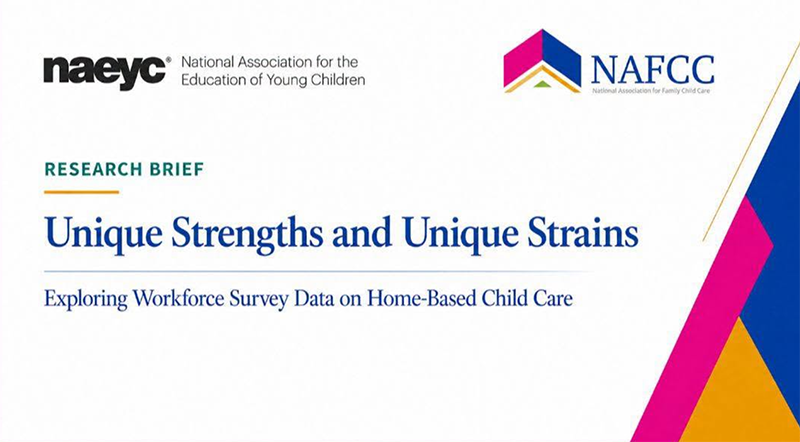
A new joint brief from NAFCC and NAEYC takes a closer look at workforce survey data to better understand the experiences of home-based child care educators and the unique strengths and challenges shaping their work. The data tell an important story about what home-based educators need to sustain their businesses, strengthen the early childhood workforce, and continue serving children and families. Read the full brief here.
Take Action
- 1. Respond to the Head Start NPRM by October 6.
Use the NAFCC Action Center to submit a comment and share what you want federal decision-makers to understand about quality, flexibility, and family child care. - 2. Keep talking to Congress.
Congress will make important decisions about child care funding this fall. Tell your members of Congress: Family child care is essential to our nation’s child care system and they must prioritize robust investments so family child care programs stay open and continue educating children, serving families, and nurturing communities. - 3. Share your story.
Policy makers need to hear how federal policy proposals and changes impact their constituents on the ground. NAFCC regularly shares stories with members of Congress and would love to include yours. - 4. Stay connected.
Federal policy is changing quickly. NAFCC will continue to track legislation, regulations, funding decisions, and court cases and translate them into information you can use.
Flexibility and Quality Can, and Must, Go Together
As federal policymakers shift more responsibility and flexibility to states, states have an important opportunity and you do too.
Flexibility does not have to mean doing the bare minimum. States can use this moment to build stronger child care systems—systems that recognize the different ways families access care, the real cost of providing quality care, and the expertise of family child care educators. But states can not build those systems without you.
Family child care educators should not simply be included when decisions are finished.
You should be in the room when the decisions are being made.