By Eboni Delaney, Director of Policy and Movement Building
For 14 years, LaTonya Richardson of Florida partnered with Early Head Start. During that time, the partnership helped create opportunities that shaped both her program and her career. It also changed in ways that ultimately led her to make the difficult decision to walk away.
Her experience offers an important perspective as policymakers and early childhood leaders consider how family child care fits within Early Head Start and other publicly funded early childhood systems.
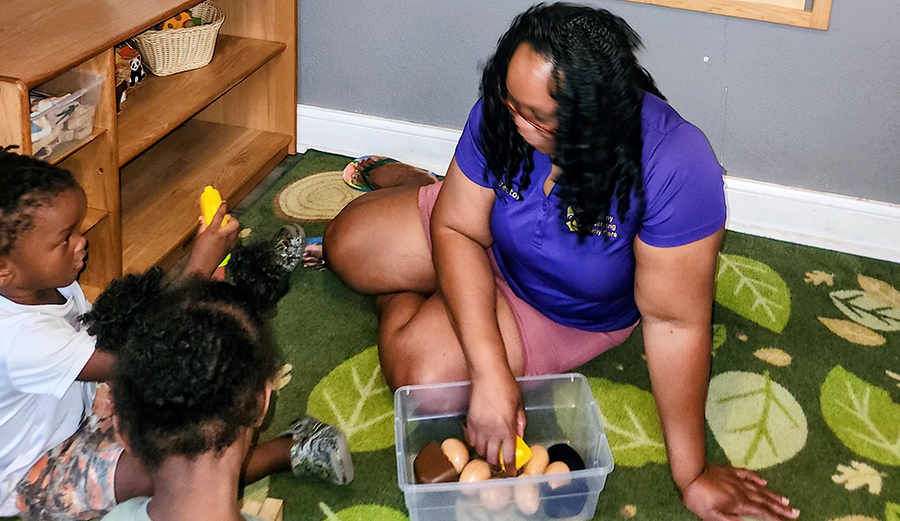
“When I first joined Early Head Start, the program was extremely beneficial,” she shared. “Through the partnership, I was able to become nationally accredited, complete my associate’s degree, earn a Five-Star quality rating, and even launch my consulting business.”
Those are meaningful outcomes and examples of what strong partnerships can make possible for family child care educators. But over the course of 14 years, she says the partnership’s requirements evolved, and so did the impact on her small business.
One of the most significant changes involved staffing.
In Florida, a family child care educator can serve up to six children under the state’s family child care ratio. She says Early Head Start staffing expectations shifted from one staff member for four children to two staff members at all times, even when only one Early Head Start child was present.
“For a small family child care business, this creates a substantial financial burden because providers are expected to pay additional staff without receiving compensation comparable to what center-based programs receive for providing the same services,” she explained.
Staffing was only one part of the equation.
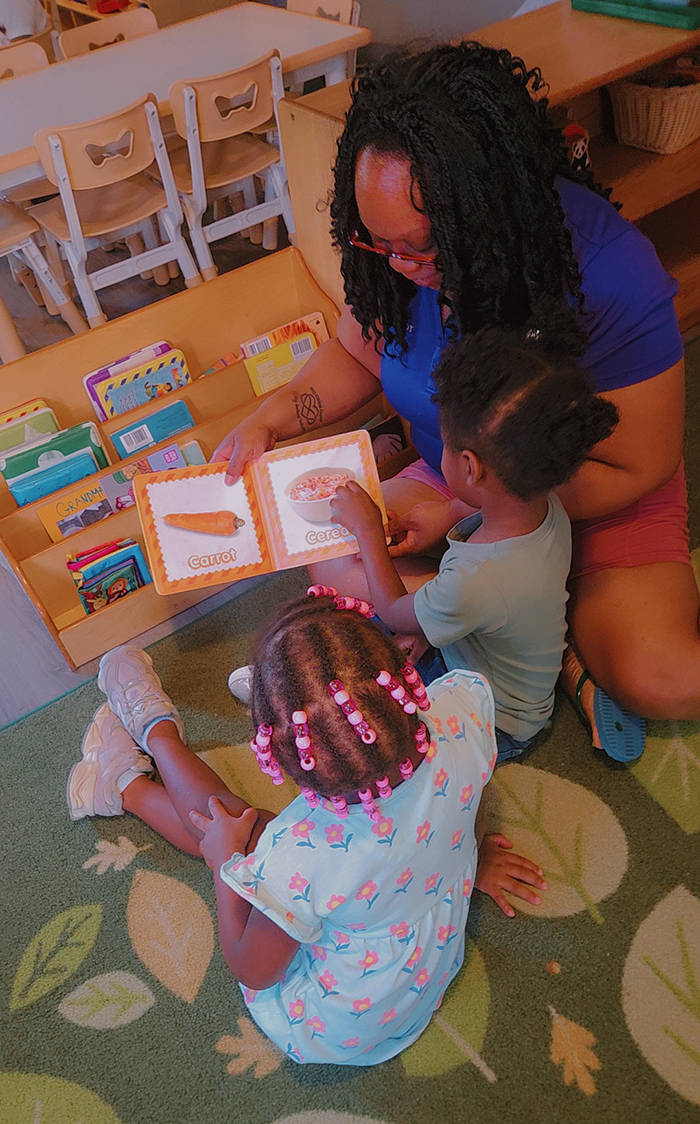
Participating family child care programs must also meet credentialing and professional development requirements, attend mandatory meetings, and fulfill other program responsibilities. In her experience, those responsibilities also included purchasing diapers, wipes, pull-ups, formula, and other infant necessities, including specific or specialized products requested for individual children. For a home-based small business, each additional requirement carries a cost in money, time, or both.
LaTonya experienced the same tension around late pick-ups. When a family arrived after her program’s closing time, she says she was generally expected to count that additional time as an in-kind contribution rather than charge the late fee established by her business.
Enrollment responsibilities changed as well. She entered the partnership with the understanding that Early Head Start would assist with enrollment.
As grant requirements changed, she says more of that responsibility shifted to participating educators, adding another administrative function to an already demanding workload.
Individually, each of these requirements may appear to be a programmatic or administrative decision. Collectively, they raise a larger policy question: Are partnerships with family child care being designed around the realities of the family child care business model?
Family child care educators are simultaneously educators, business owners, administrators, employers, and often the individuals providing direct care throughout the day. A requirement that may be absorbed across multiple classrooms, staff members, or administrative departments in a center can have a very different impact when applied to a small, home-based program.
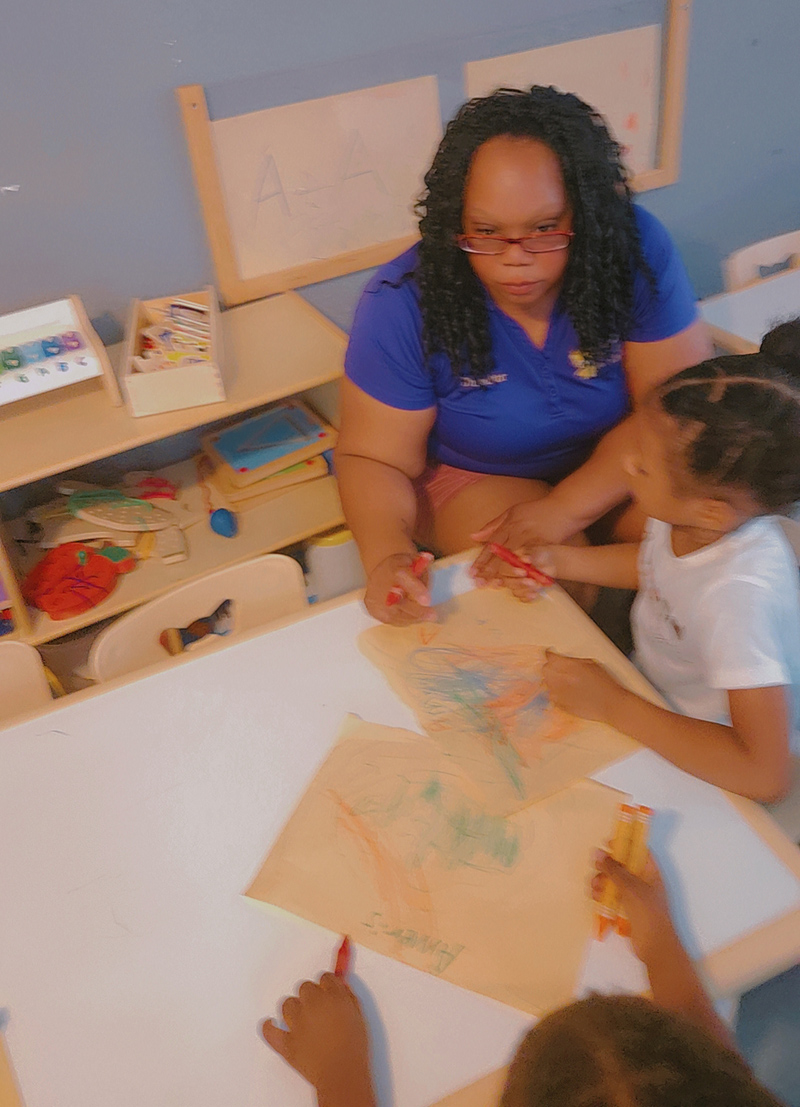
Throughout her partnership, this educator says she continued to raise those concerns and advocate for equitable treatment of family child care. “While I cannot speak to others’ experiences, I often felt that advocating for equitable treatment placed me in a difficult position,” she said. “Ultimately, I decided it was time to develop an exit plan and move my business in a direction that better supports its long-term sustainability.”
LaTonya’s decision to leave does not erase the value she found in Early Head Start. In fact, her experience demonstrates why these partnerships are worth getting right.
She remains grateful for what the program contributed to her professional development and the growth of her business.
At the same time, she believes the current structure no longer adequately supports the unique needs of family child care educators.
As we work to build early childhood systems that meaningfully include family child care, access to a program cannot be the only measure of inclusion. We must also examine whether the funding, staffing requirements, administrative expectations, and operating policies allow family child care educators to participate sustainably.
Her advice to other educators considering an Early Head Start partnership reflects that reality. “Be clear about what you expect from the partnership, what the program expects from you, and whether those expectations are realistic for your business model,” she said. “Partnerships require negotiation, and providers should be prepared to advocate for themselves and ensure the relationship remains mutually beneficial.”
This is one educator’s experience, and it should be understood as such. But stories like LaTonya’s give policymakers and system leaders an opportunity to ask better questions about how policies operate once they reach family child care homes.
After 14 years, her story includes both opportunity and challenge. We should be willing to hold both.
If we want family child care educators to participate in Early Head Start and other early childhood initiatives, then we must build partnerships that recognize the distinct structure of family child care, adequately resource participation, and remain workable for the small businesses we are asking to partner with our public systems.
Listening to family child care educators is where that work begins.