Written by Eboni Delaney, Director of Policy and Movement Building

When Chantal and Harold Hinds first learned they were pregnant, one of the first pieces of advice they received was a recommendation for a family child care program. “After the congratulations, it was, you have to take your baby to our child care provider.” The recommendation came from trusted friends, and stayed with Chantal as she began considering what care would look like for her son, Ellis.
Throughout her pregnancy, Chantal quickly realized how difficult it is to secure child care, especially in a city where waitlists are the norm.
Families often begin the process before their child is even born to ensure they have something in place when it is time to return to work. When Chantal and her family were ready to make a decision, they explored their options but kept coming back to the provider their friends had recommended, Catherine Sealey- Licorish, owner of Shalom Family Child Care.
The FCC educator had been doing the work for decades, was deeply known in the community, and had built a strong reputation with families. “She’s been doing this for decades. Everyone knows her. She goes by ‘auntie’ on the block.” That familiarity, combined with the trust already established through friends, made the decision clear. “We chose her, and we couldn’t have made a better decision.”
Like many first-time parents, Chantal felt the weight of leaving her child in someone else’s care but that feeling shifted once her son started attending. The environment felt personal, consistent, and grounded in real relationships. “It really does feel like an extended family. It doesn’t feel institutional. It feels like I’m leaving him with someone who truly cares about him.” That sense of care shows up in everyday experiences, including the flexibility family child care offers when life does not go exactly as planned. “If we’re running late because of the subway, she’s not rushing us or penalizing us. She just says, ” Get here safely. He’s okay.” It also shows up in the way her son is cared for and spoken about. “One time we picked him up, and she said, ‘Why do you have my baby dressed like this?’ We thought he was fine, but she was concerned he wasn’t warm enough. That’s how she talks about them. These are her kids.”
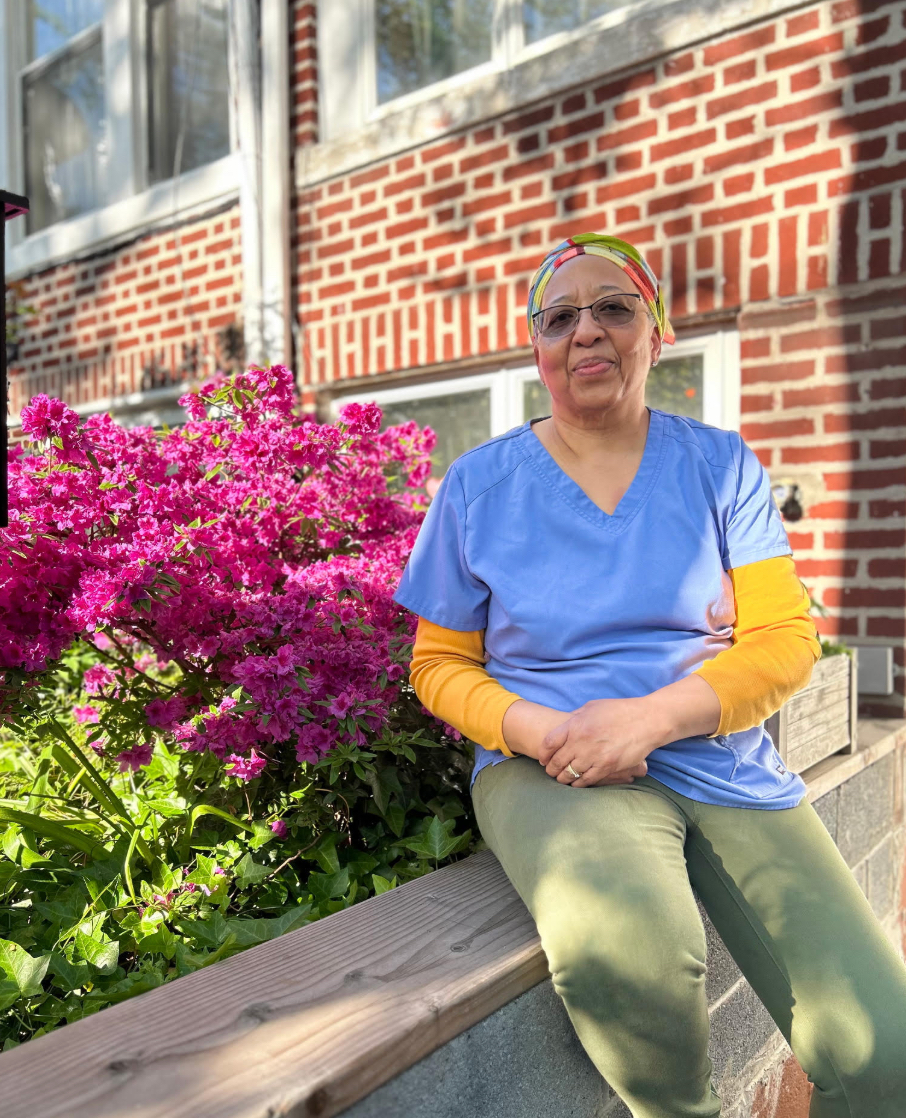
FCC Educator Catherine Sealey-Licorish, Owner of Shalom Family Child Care
Ellis has had the same caregivers ever since he began attending at 7 months old which has created a strong sense of stability for him and peace of mind for his family. “That consistency means everything. He knows what he’s walking into every day.” Chantal has been able to see his growth in very real ways, often noticing things he brings home that reflect what he is learning throughout the day. “He comes home with things that I know they taught him.” Some of those moments have been small but meaningful, like when she learned about the intentional ways his provider was supporting his development. “She told us, ‘He has Cheerios every day. We count them. We’re up to five.’ I didn’t even know that was happening.” Over time, those moments have added up, shaping how he communicates and engages with the world. “He’s very articulate for his age, and that’s in large part because of the work they do there.”

The smaller, home-based setting has been an important part of Ellis’ educational experience. It allows for more individualized attention and a level of care that supports both development and comfort. “I love the small nature of it. He’s not getting lost in a big crowd.” The attention he receives has shaped how Ellis experiences his day-to-day environment. “Sometimes it’s hard to get him to leave. He wants to stay. He even tries to bring the staff home with us.”
The relationships have been , built through positive daily interactions with consistent, nurturingcaregivers. “They’ve known him since he was seven months old. By the time he transitions, it will have been over two years. That kind of continuity is really important.”
Before this experience, Chantal did not have a clear understanding of what family child care could offer buthe now recognizes how often it is misunderstood. “There’s a shirt at the child care that says, ‘I am not a babysitter.’ And that really stuck with me.” For her, that message reflects a deeper truth about the work being done in home-based spaces. “It’s so much more than that. These are people who open their homes and choose to care for children every day. That takes real commitment. It’s very intentional.” She has seen firsthand how strong learning, engagement, and development happens in family child care settings. “Because it’s smaller and consistent, he’s learning every day.”

For parents who are beginning their search for child care, Chantal encourages patience and persistence, especially when reaching out to home-based educators. “Sometimes it can be harder to reach a home-based provider. They’re running a business and caring for children at the same time.” That reality may mean calls are missed or returned later, but it reflects the demands of the work rather than a lack of care. “Don’t be turned off if you don’t reach them the first time. Keep trying. Be understanding of everything they’re managing.” She also encourages families to take time to explore and remain open to their options. “You might be surprised at what you find.”
Looking back, Chantal is confident in the decision her family made in choosing a family child care program. “We’re very happy. We’ve never looked back.” “If we have another child, that’s exactly where they will go. There’s no question.” “He’s loved there. And that’s everything.”