Written by Eboni Delaney, Director of Communications and Movement Building
In recognition of Veterans Day, NAFCC shares the story of Beth Hart, a U.S. Army veteran, former family child care educator, and current Chair of the NAFCC Accreditation Council.
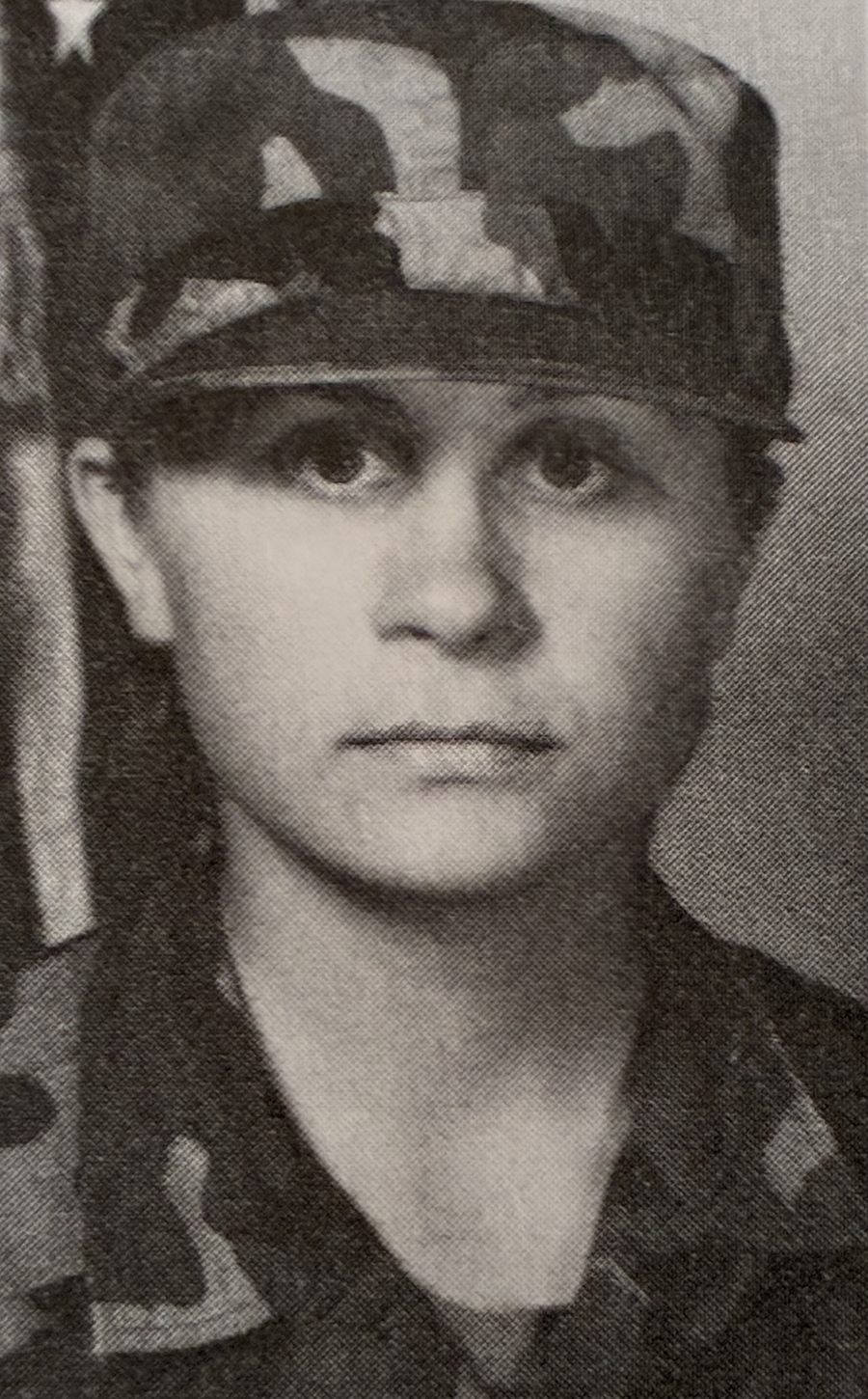
“My eldest two children would cry when they saw my husband and me in our uniforms because they knew we would be gone.”
For Beth Hart, those moments remain a vivid memory of raising a family while serving in the U.S. Army. From 1986 to 1994, Beth served as a medic and ambulance driver. Her husband was also in the military, and the couple welcomed their first child at Walter Reed in Washington, D.C.
Like many military families, the Harts faced the challenge of finding reliable child care while managing demanding schedules and extended periods away from home. Training assignments sometimes lasted weeks, leaving Beth and her husband dependent on a network of family support and trusted caregivers.
When their two youngest children attended a family child care program in Minnesota, Beth’s mother helped with drop-offs and pickups whenever military responsibilities prevented the couple from being there.
For Beth, the experience revealed something that would eventually change the direction of her career.
“I really liked the family child care model because of the small environment, and I felt my children were well cared for while I was away.”
That trust mattered. While military service required Beth to be away from her children, family child care offered a familiar environment where she felt confident that her children were receiving the attention and care they needed.
In 1997, three years after leaving the Army, Beth began providing Family, Friend, and Neighbor (FFN) care in Minnesota. She later opened a licensed family child care program and operated it for 24 years.
Having experienced family child care as a parent, Beth understood what it meant to entrust someone else with her children. As an educator, she had the opportunity to provide that same reassurance to other families.
Her commitment to the model eventually came full circle. When her own children became parents, some brought their children to Beth’s program. After she stopped operating her business, they continued turning to her for recommendations about other family child care educators.

Beth’s work in early childhood education did not end when she closed her program. She found opportunities to advance in the field and to continue mentoring and growing FCC Educators’ careers once they open their programs. Today, she coaches family child care educators through Quality Rating and Improvement Systems (QRIS), supporting their professional growth and efforts to improve program quality.

Her commitment reflects findings from NAFCC’s 2024–2025 Annual Survey, which highlighted the importance of professional networks and peer support. Among respondents, 44% of educators involved in associations or child care unions planned to remain in business indefinitely, compared with 32% of those without those connections.
“An ECE coach guides hands, opens minds, and unlocks a child’s creativity,” Beth shares.
She also serves as Chair of the NAFCC Accreditation Council, bringing more than two decades of experience as an educator and her perspective as a former military parent to her leadership.
Beth’s experience highlights an important reality for military families: dependable child care is essential, especially when service requires parents to be away from home for extended periods. For Beth, family child care provided the support she needed most. Years later, she would spend 24 years offering it to other families.
This Veterans Day, NAFCC recognizes Beth Hart for her service in the U.S. Army and her continued contributions to family child care. Her story offers a personal reminder of why family child care matters to military families and how one family’s experience can inspire a lifetime of commitment to the profession.